
Scrap Metal Recycling for Businesses
We help businesses arrange collections of scrap metal from workshops, factories, construction sites and commercial premises.
How can we help?
Metal is one of the most recyclable materials a business produces, but only if it’s kept apart from everything else. Scrap that ends up in a general waste skip is harder to recover and takes up space that costs money.
Types of metal we’re asked about
Scrap metal usually falls into two groups:
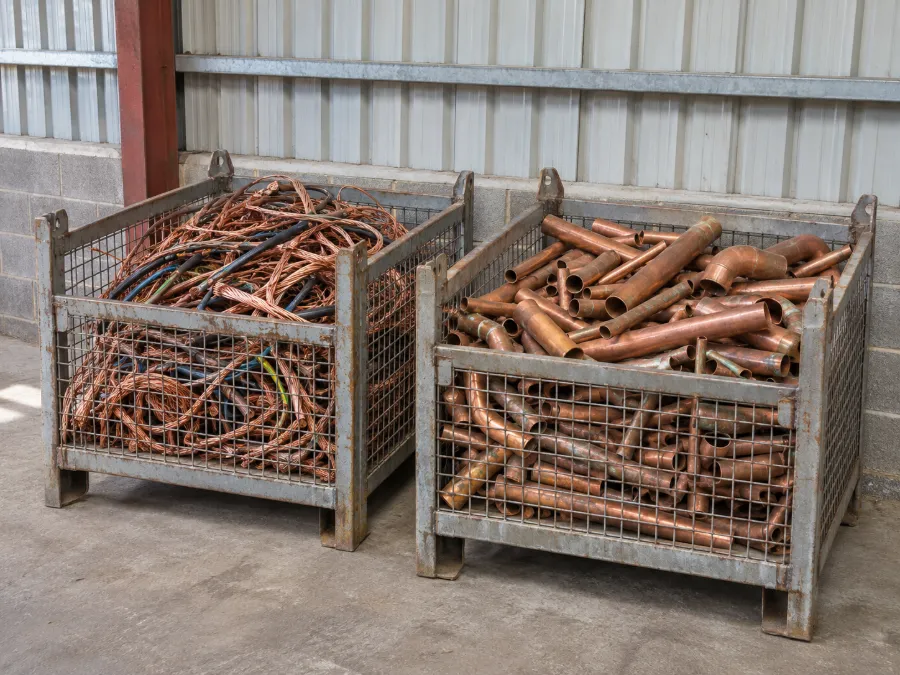
Common sources include:
- offcuts and swarf from fabrication and machining
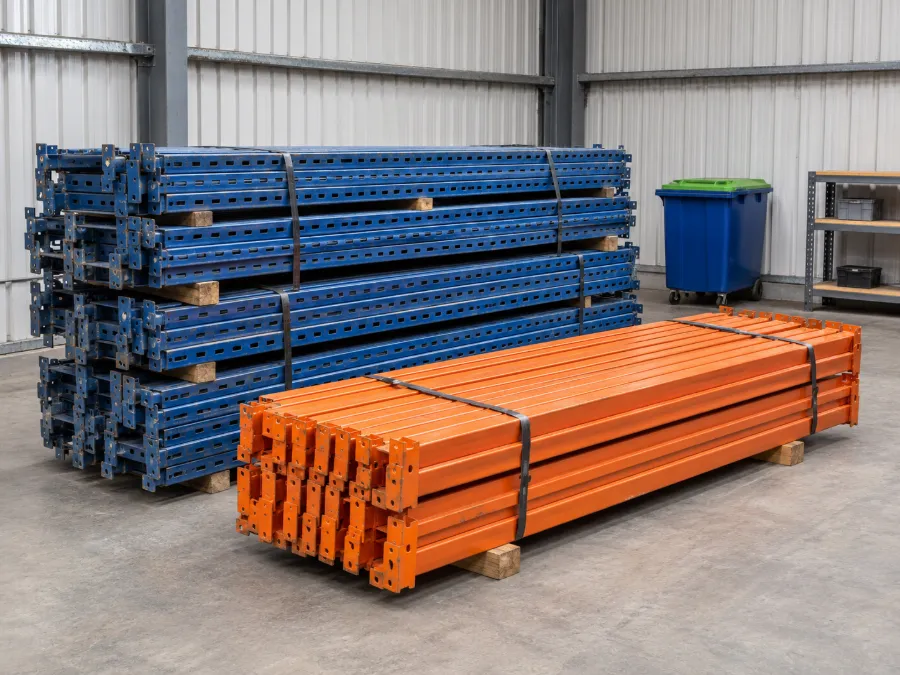
- structural steel, pipework and cabling from strip-out and demolition
- old racking, shelving, gates and fencing
- redundant machinery and equipment
How it works
- 1Tell us about your siteWhat you produce, where you are and how often you need collections.
- 2We recommend a set-upContainers, collection days and recycling streams sized to your space and volumes.
- 3Bins arrive, collections startWe deliver your containers, confirm your schedule and stay on hand if anything changes.
Keeping metal separate and clean
Clean, segregated metal is easier to recover than mixed loads. Where volumes allow, it’s worth:
- keeping metal out of general waste and mixed construction skips
- separating ferrous from non-ferrous metals
- removing obvious contamination such as timber, plastic or general waste
Not all metal waste can go in a scrap collection. Some items need checking first:
- BatteriesWhich have their own collection routes
- Pressurised containersSuch as gas cylinders and aerosols
- Oily swarfOr metal contaminated with chemicals
- Electrical equipmentWhich is WEEE and needs separate handling
Where scrap metal tends to go wrong
The most common problems are simple ones: metal thrown into a general waste skip because there’s no other container, scrap that sits outside and collects rubbish, or loads that include sealed containers nobody has checked. A clearly marked metal container in the right place solves most of them. On construction and strip-out projects, it helps to plan for metal from the start rather than sorting it at the end.
Containers and collections
Metal can be heavy, so the container depends on what you produce and how much. Options may include skips, RoRo containers or smaller containers for workshops with steady but modest volumes. We’ll ask about the type of metal, the volume and weight, how it’s produced and where a container can go.
Need scrap metal collected?
Tell us what you produce, where you are and how often you need collections, and we’ll recommend a practical set-up.
Better waste data
Depending on your account, you can see your services, collection history and waste data online. It helps with internal reporting, audits such as ISO 14001, and spotting ways to reduce waste and cost.
- 24/7 online portal for your account
- Auditable and secure collection records
- A clear dashboard showing what has been collected
Areas we cover
We collect business waste across Greater Manchester and the North West. Find your local area:
Frequently asked questions
Do you collect all types of scrap metal?
Acceptance depends on the metal, any contamination, the quantity and the collection arrangement. Tell us what you have and we’ll confirm.
Can electrical equipment go in a scrap metal container?
No. Electrical and electronic equipment is WEEE and needs separate handling.
Should we separate different types of metal?
Where volumes justify it, separating ferrous and non-ferrous metals keeps the material cleaner and more recoverable. We’ll advise on what’s practical.
Related services
Accredited and audited




Why North West businesses choose Kenny
- Family business since 1985, based in Worsley and collecting locally every day
- A dedicated Account Management Team, not a call centre
- Clear contracts with no hidden costs
- Duty of Care paperwork included
- Accredited: CHAS, Constructionline, FORS Silver, SMAS Worksafe and Living Wage Employer
Ready to sort your business waste?

TOTAL WASTE MANAGEMENT
Business Waste Collections


-
He was very helpful and polite good job x

Heather Huggins
I have been using this company over a year now in Manchester and hasn’t let me down they also looks after around... Read more
Paul Bradbury
I highly recommend this company for all waste needs, they are second to none.. we were let down by a... Read more
NICOLA Bell
-
They are fairly priced, reliable and have professional and helpful drivers, I highly recommend them.
Nick Lidgett
Great customer service
David Barker
Fantastic service. Prompt delivery and prompt collection. Highly recommend 👌 would most definitely use Kenny waste management again. They did an amazing... Read more
sarah riley
-
Working closely with Daniel Strange has been fantastic, we lacked a lot of communication before this and Daniel has not only helped... Read more
Phil Jackson
Fantastic service sexcellent customer service 👌prompt professional and friendly easy going super quick replies. So helpful.
M N Hussain
Commercial waste disposal skips and waste collection
Jordan Hurst
-
We’ve had a very positive experience working with Kenny Waste. The service has always been reliable, professional and well organised. Wictoria has... Read more
Filip Grufik
A huge thank you to Claire Lawlor and the amazing team for providing such outstanding customer service. Everyone is friendly, professional, and... Read more
Claire Firbank
Straightforward skip hire. Easy to contact over the phone. Delivered the skip next day. I was finished with it early, gave them... Read more
Aoife Mc M
-
I use Kenny Waste for our commercial hazardous waste removal, their facilities team member Wiktoria is main point of contact who... Read more
Lawrence
Great waste management business. Have used them many times. Staff are brilliant.
Marcus Castle
Great service from Kenny Skips! Had two skips delivered recently for home renovations & they’ve been great. Deliver on time, collect on... Read more
Calleigh Turner
-
Excellent service from Kenny Waste Management. I’ve worked with them on a number of skip hire jobs through my business, D Rowsons... Read more
Dan Rowson
Fantastic service and helpful staff on the phone.
David Lloyd
I have used this company for years and never had a problem. Great service as always especially from Grace! Thank you.
H B


