The short answer
30-second summary- Waste from customers counts, as well as waste from staff.
- Delivery cardboard is often the biggest stream and can benefit from its own collection.
- A non-food shop with a staff kitchen still needs a food waste collection.
Separate the stockroom from the shop floor
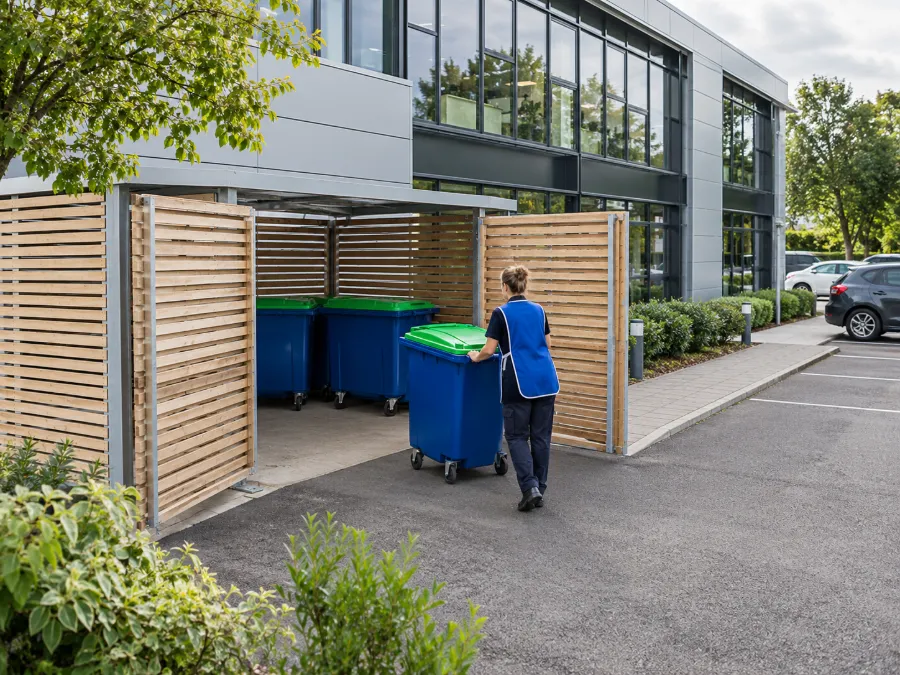
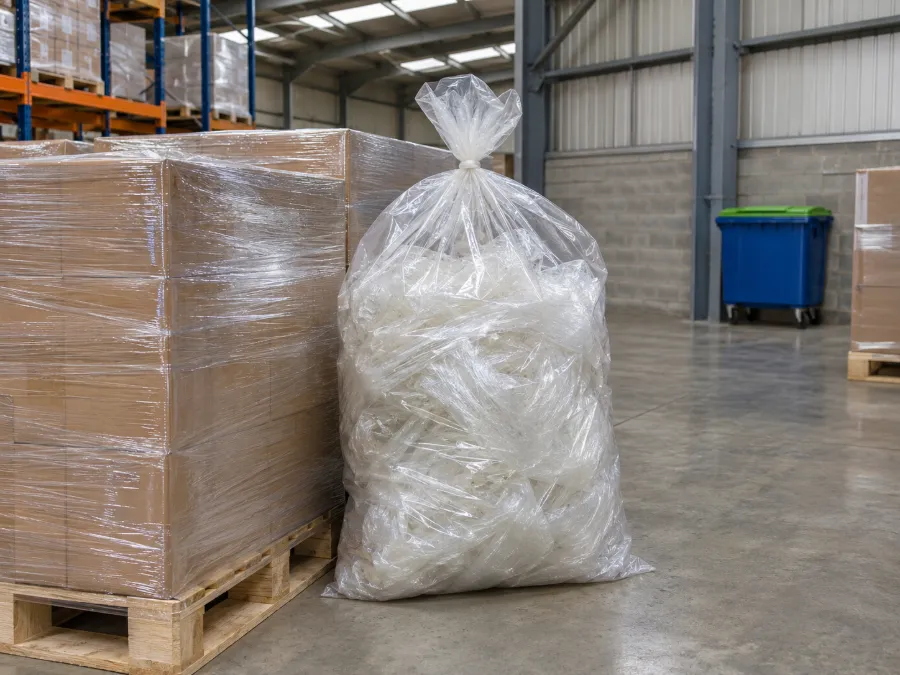
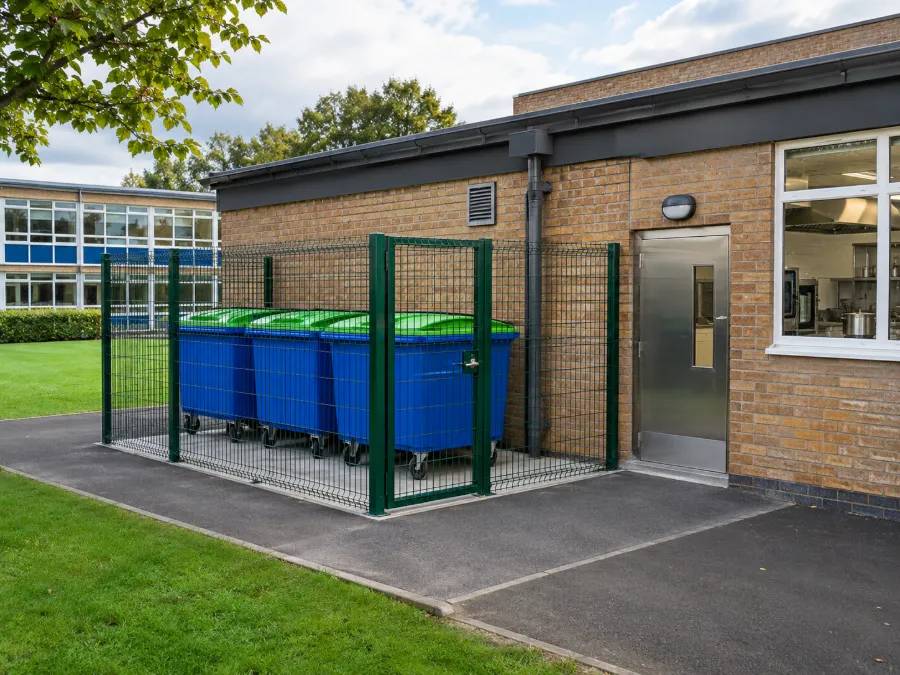
Map where boxes, shrink wrap, drinks containers and staff food waste arise. Ensure there is a clear route from internal bins to the external collection point without blocking loading bays or fire exits.
Handle cardboard as a priority
Cardboard from deliveries is often a high-volume stream and can benefit from dedicated collection. Paper and card are normally collected separately from plastic, metal and glass unless a lawful assessed co-collection arrangement applies.
Customer and staff waste both count
If customers use bins in a shop, café area or forecourt, the workplace needs a method of separating relevant waste before collection. Where food is eaten on the premises, separate dry recycling and food waste bins for customers are good practice. Clear signs and matching internal/external containers reduce avoidable contamination.
Food waste is not only for food retailers
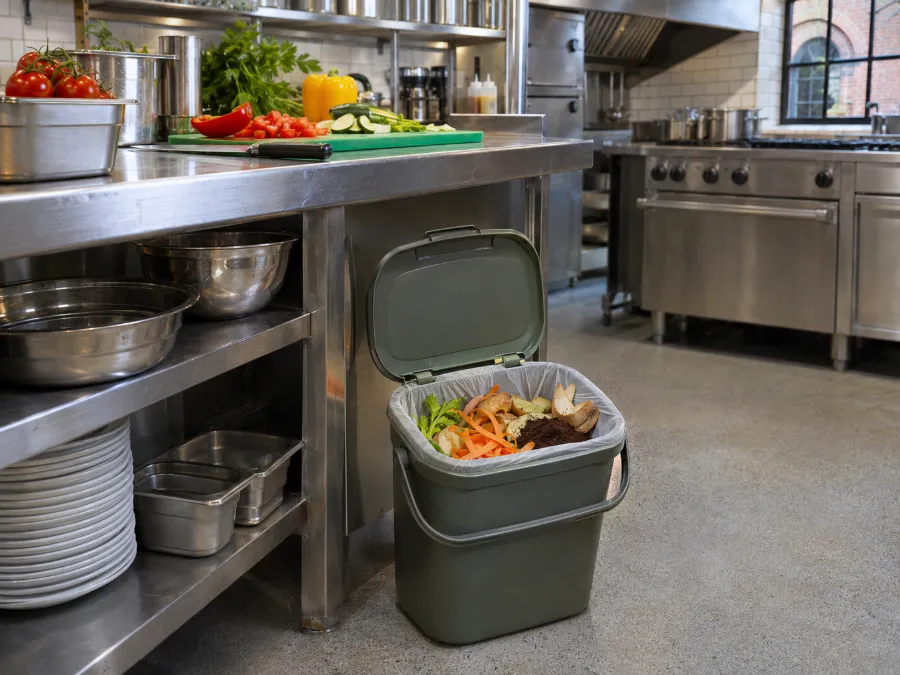
A non-food shop with a staff kitchen can still produce food waste and require separate collection. A small container may be sufficient where volumes are modest.
Frequently asked questions
Does a clothes shop need food waste collection?
Yes, if it is in scope, even food waste from staff facilities must be separated.
Can retailers put cardboard in general waste?
Relevant recyclable paper and card should be separated under the rules.
Are customer bins included?
Yes. Waste from customers and visitors is covered by the workplace guidance.
This guide is general information for businesses in England. It is not legal advice.