The short answer
30-second summary- Simpler Recycling covers the household-like waste on site: packaging, drinks containers, office paper and canteen food waste.
- Hazardous and process wastes keep their own rules and stay out of ordinary recycling.
- Not every plastic film belongs in a standard mixed recycling container.
Distinguish household-like waste from process waste
The Simpler Recycling rules address relevant recyclable and residual materials; they do not replace the separate rules governing hazardous waste, process residues, chemicals or other specialist streams. Classify and manage those materials through the appropriate arrangements.
Make packaging easy to recover
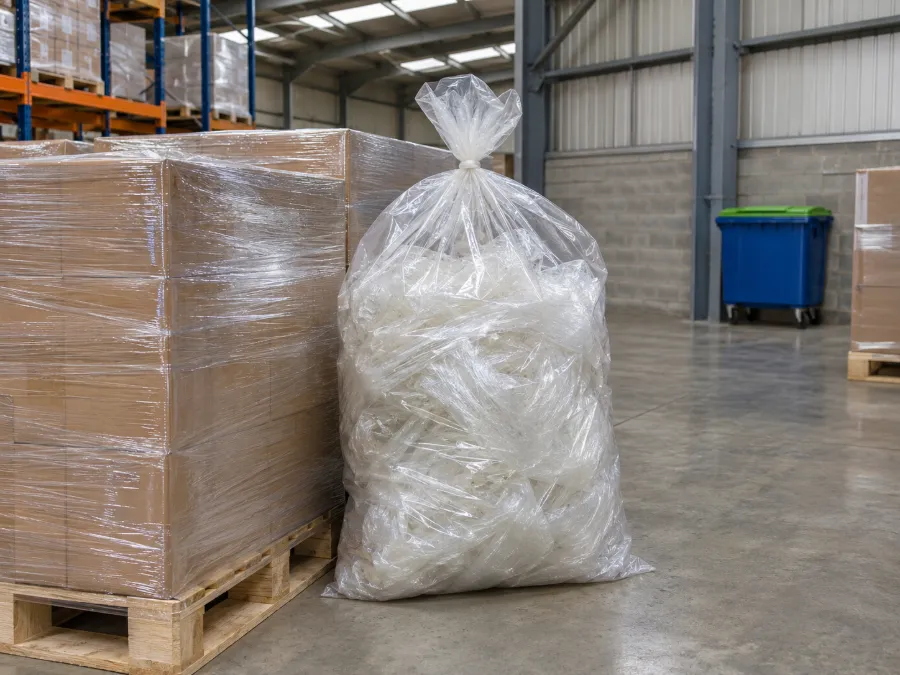
Warehouses often generate cardboard, stretch wrap and pallet-related waste. Keep cardboard dry and establish clear instructions for films and other plastics. Do not assume every plastic film belongs in a standard dry mixed recycling container.
Do not overlook the canteen
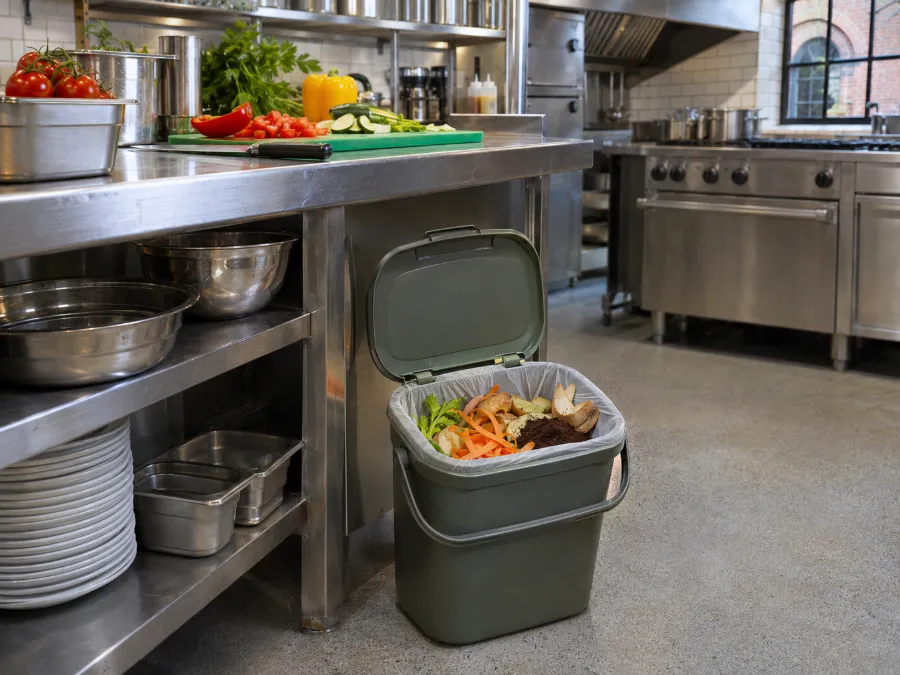
Food waste requirements apply to staff facilities even if the core business is manufacturing or logistics. Make the collection point easy for shift workers and cleaners to use.
Plan around vehicles and shift patterns
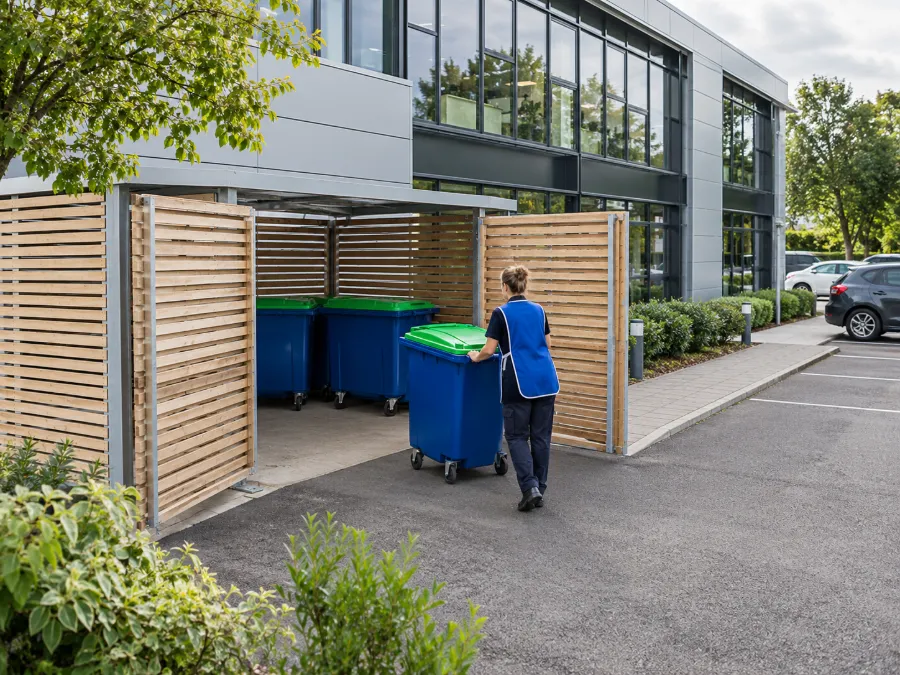
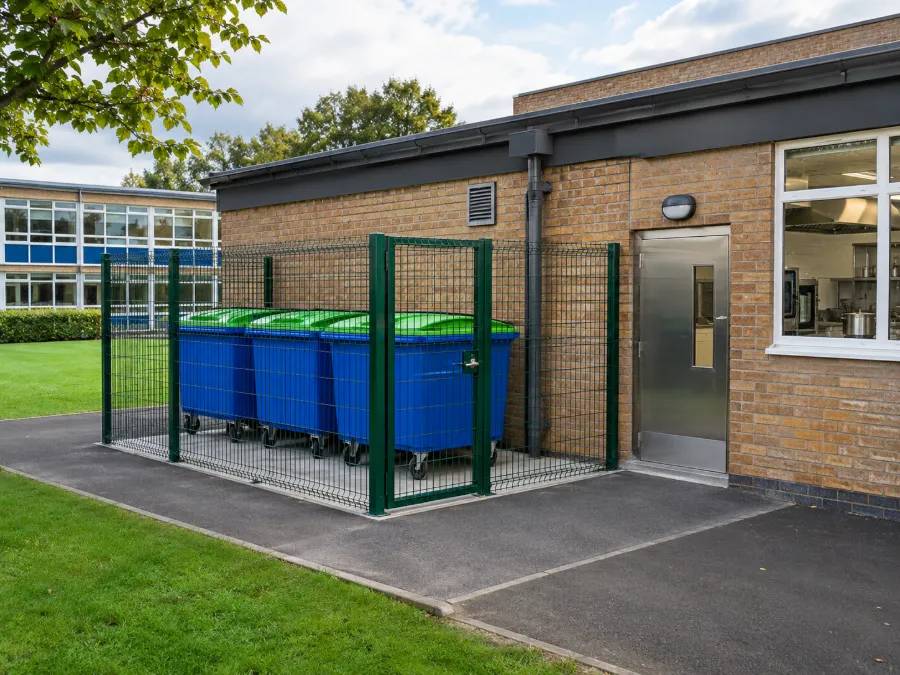
Bin locations, forklift movements, loading schedules and collection access matter. A compliant waste system should not create unsafe movements or interfere with goods-in operations.
Frequently asked questions
Does Simpler Recycling cover hazardous waste?
No. Hazardous and specialist wastes remain subject to their own rules and must not be put into ordinary recycling streams.
Do warehouses need food waste bins?
Yes, where the workplace is in scope and generates food waste, including from staff areas.
Is all plastic packaging recyclable in DMR?
No. Acceptance varies by material and collection arrangement; check with your provider.
This guide is general information for businesses in England. It is not legal advice.